Dew Point Thresholds for Runners: The Full Chart
Comfortable below 55°F, oppressive at 65°F, dangerous past 70°F. The dew point bands that tell you when to slow down, shorten the run, or move indoors.
Short answer
Use dew point bands to set effort: below 55°F (13°C) is comfortable, 55-60°F manageable, 60-65°F hard, 65-70°F oppressive, and above 70°F (21°C) potentially dangerous. Higher dew points slow you more over longer distances, so slow down, shorten the run, or move indoors as you climb through the bands.
When I plan a warm-weather run I read three numbers in order: dew point first, the moisture load and the best predictor of when sweat stops cooling me, then temperature for the raw heat, then sun and wind for how that heat is traded with the air. Most runners reach for temperature first and wonder why the run fell apart anyway. This is the chart I actually use, by effort and by distance.
The official dew point comfort bands
NOAA and the NWS publish bands that map cleanly onto running:
| Dew point | Typical feel | Runner translation |
|---|---|---|
| ≤ 55°F / 13°C | Dry, comfortable | Great for workouts and long runs |
| 55–65°F / 13–18°C | Sticky | Expect higher heart rate at same pace |
| ≥ 65°F / 18°C | Very humid | Slow down, shorten, or move indoors |
They are not hard rules, but they are the best default thresholds I know.
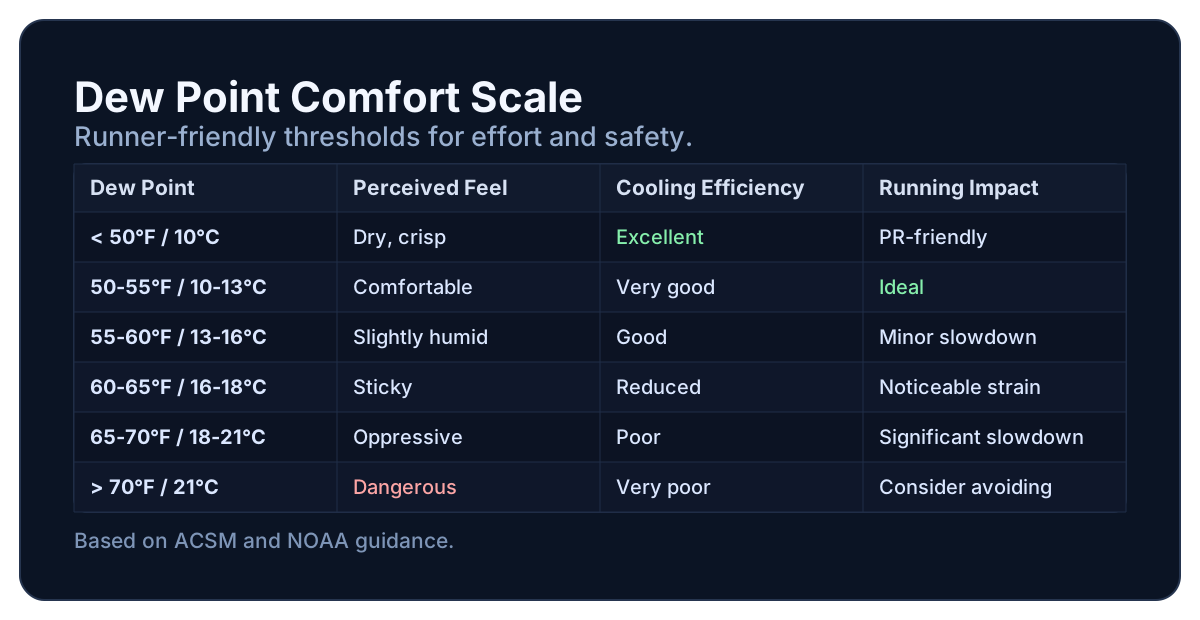
A simple comfort scale that aligns with NOAA and NWS dew point guidance and maps well to runner decision-making.
Why dew point hits harder as distance increases
Heat stress accumulates: the longer you are out, the more your core temperature climbs, your sweat losses stack, and small pacing mistakes turn into blow-ups. A 5K in sticky air is uncomfortable; a marathon in oppressive humidity can become unsafe. The data backs this: a 2022 analysis of 1,258 endurance races found WBGT predicts the slowdown better than temperature alone, humidity compounding over distance.
Dew point plus WBGT: the safety context
Dew point is a moisture metric, not a full heat-stress index. OSHA and CDC/NIOSH note that heat index ignores wind, sun, radiant heat, and workload, and that WBGT is better when you can get it. So dew point tells you whether sweat can evaporate; WBGT tells you the whole heat burden. Track dew point if you track only one number, and trust WBGT over it when you have it.
A practical threshold table by workout type
The same bands, by what the run is asking of you:
| Dew point band | Easy run | Workout day | Long run / race |
|---|---|---|---|
| ≤ 55°F | Normal pacing | Normal | Normal fueling/hydration |
| 55–65°F | Slightly slower | Reduce intensity or add reps/rest | Start conservative, plan fluids |
| ≥ 65°F | Slow, shorten | Consider moving indoors | Risk rises fast; rethink goals |
Distance-specific guidance
5K / Short efforts
- < 65°F (18°C) dew point: manageable
- 65–70°F (18–21°C): noticeable discomfort
- above 70°F (21°C): performance drop, but survivable
Half marathon
- < 60°F (16°C): ideal
- 60–65°F (16–18°C): cautious pacing required
- above 65°F (18°C): significant slowdown likely
Marathon
- < 55°F (13°C): optimal
- 55–60°F (13–16°C): controlled aggression only
- above 60°F (16°C): major slowdown
- above 65°F (18°C): survival conditions
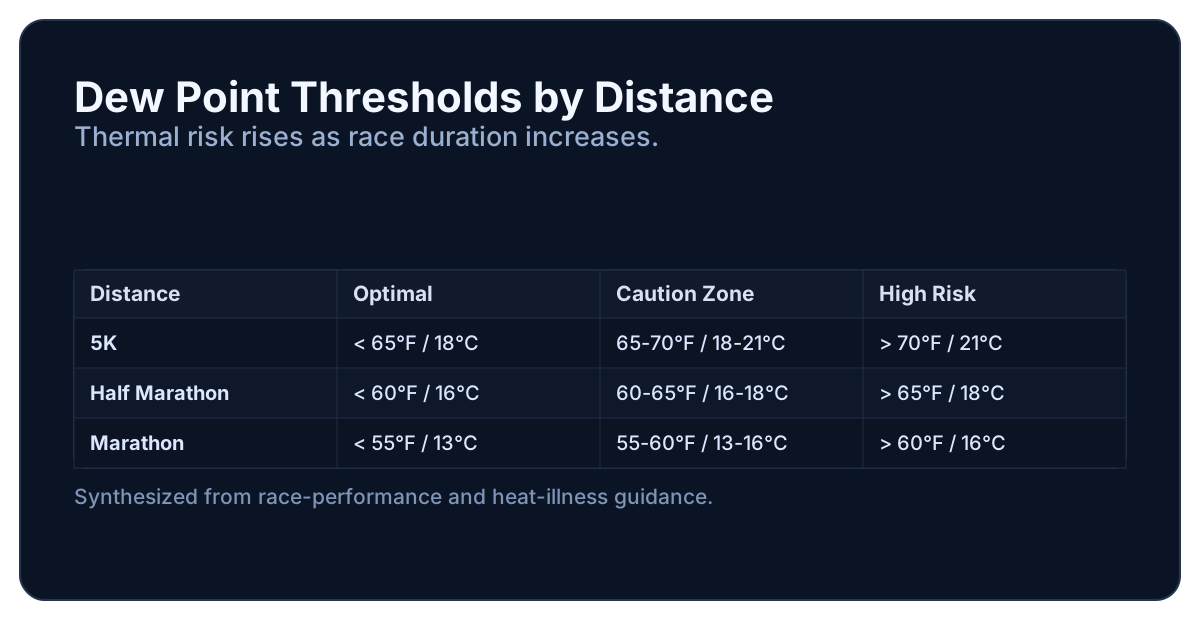
The longer the event, the earlier aggressive goals become unrealistic. Sources: Ely et al. (MSSE), Mantzios et al. 2022 (MSSE).
What to do when you are above your threshold
When the dew point is over your comfort band, the moves are the same: run by effort instead of pace, shorten the duration, shift toward your best window, add shade and water stops, and take more recovery between hard days.
Why I turned these thresholds into an app
A threshold only helps when applied to the hour you are about to run, which is tedious by hand. That is what RunWeather does: it reads dew point rather than humidity percent, scores each hour so the good windows are obvious, and adjusts the pace guidance so I neither shrug off a bad day nor overreact to a fine one. In Pro it learns my own sticky point from my history, which is not where yours is.
Sources and further reading
- NOAA NESDIS: Humidity, Dew Point, and Comfort
- National Weather Service: Heat Index and Dew Point Guidance
- OSHA: Heat Stress and Heat Index Limitations (WBGT context)
- CDC/NIOSH: Heat Stress App and WBGT Guidance
- Mantzios et al. Effects of Weather on Endurance Running: Analysis of 1258 Races (MSSE, 2022)
- Ely et al. Weather and Marathon Performance (MSSE)
Related reading
- Dew Point for Running
- How Much Slower Should You Run in Heat and Humidity?
- Hydration and Sodium for Hot Runs
- Best Time of Day to Run in Summer
- Treadmill vs Outdoor Running: A Decision Framework
RunWeather is available now on the App Store and Google Play.