What to Wear Running in Heat and Humidity: A Dew Point-First Gear Guide
Choose running clothing by dew point, sun exposure, and airflow. Learn fabric and fit principles that improve cooling and reduce chafing in humid heat.
Short answer
Dress for dew point, not just temperature. In humid heat, evaporation stalls, so choose thin, light-colored, quick-drying fabric with a loose fit that lets air move and sweat escape. Minimize coverage, cut anything that traps heat or chafes, and accept that gear helps cooling but cannot rescue a dangerously high dew point.
I used to think the answer to a hot, sticky run was the right shirt. I would stand over a drawer of technical fabrics convinced one could beat a 70°F dew point, and none ever did, because no shirt fixes what the air is doing to you. What the right kit does is smaller, and still worth getting right: how well you lose heat, how much you chafe, whether the run feels merely sticky or genuinely miserable. So you choose it by dew point and sun, not temperature.
The heat-transfer basics, runner version
Clothing only moves heat through three levers: evaporation (sweat turning to vapor), convection (air carrying heat off you), and radiation (sun and hot surfaces loading heat in). A Sports Medicine Open narrative review frames hot-weather sportswear as reducing insulation and letting sweat evaporate while staying comfortable, and admits the evidence is mixed, because studies use different intensities and conditions. That is why the reliable advice here is principle-based, not a list of products.
Dew point changes what "breathable" means
Both NOAA and the NWS publish simple dew-point bands, and they map cleanly onto what to wear:
| Dew point | What it feels like | Gear implication |
|---|---|---|
| ≤ 55°F / 13°C | Dry | Normal summer kit often works |
| 55–65°F / 13–18°C | Sticky | Prioritize airflow and fast-dry |
| ≥ 65°F / 18°C | Very humid | Minimize coverage, slow down, shorten |
The higher the dew point, the less your sweat evaporates, so anything that stays wet or blocks air works against you as the run goes on.
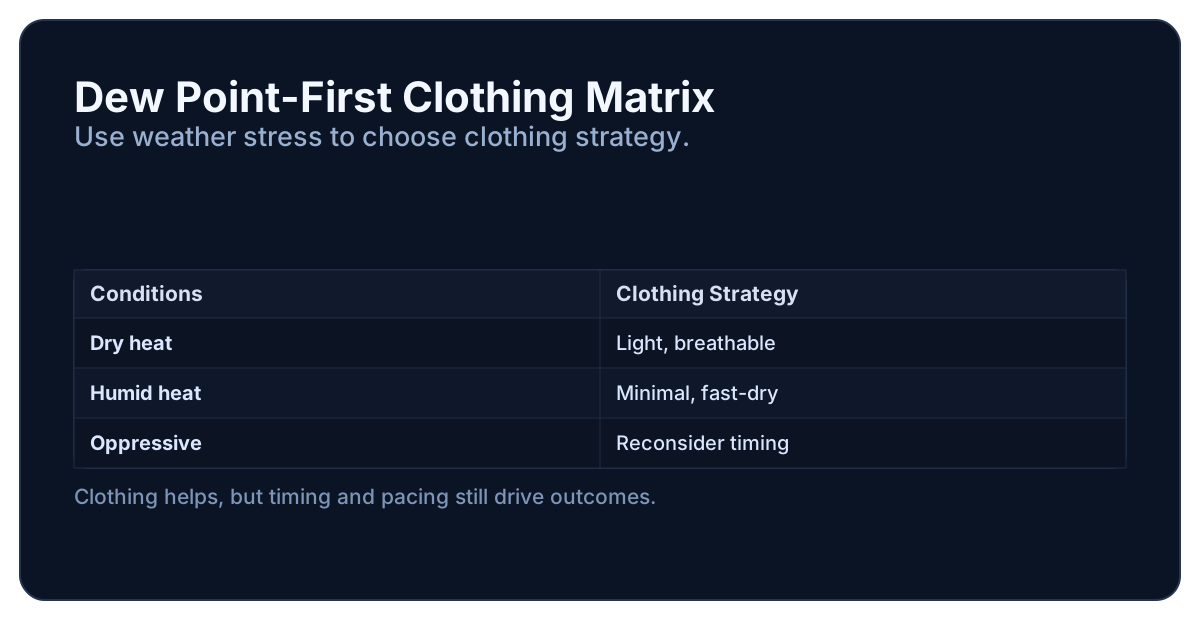
A simple decision matrix. In oppressive humidity, timing and pacing changes usually matter more than wardrobe tweaks.
Fabric: thin and quick-drying win
Fabric advice online tends to oversimplify, but the direction that holds up is simple: thin fabrics insulate less, good moisture transport feels better, and the wrong fabric traps wetness and chafes you raw. A manikin study of common sportswear materials found cooling efficiency drops as moisture loads into the fabric and that thicker fabrics cooled worse, so thin technical materials hold their cooling better than heavy knits. In practice: thin quick-drying shirts, no heavy cotton that stays soaked, wool only if it is a very light weave, socks that move moisture.
Fit and coverage: do not block airflow
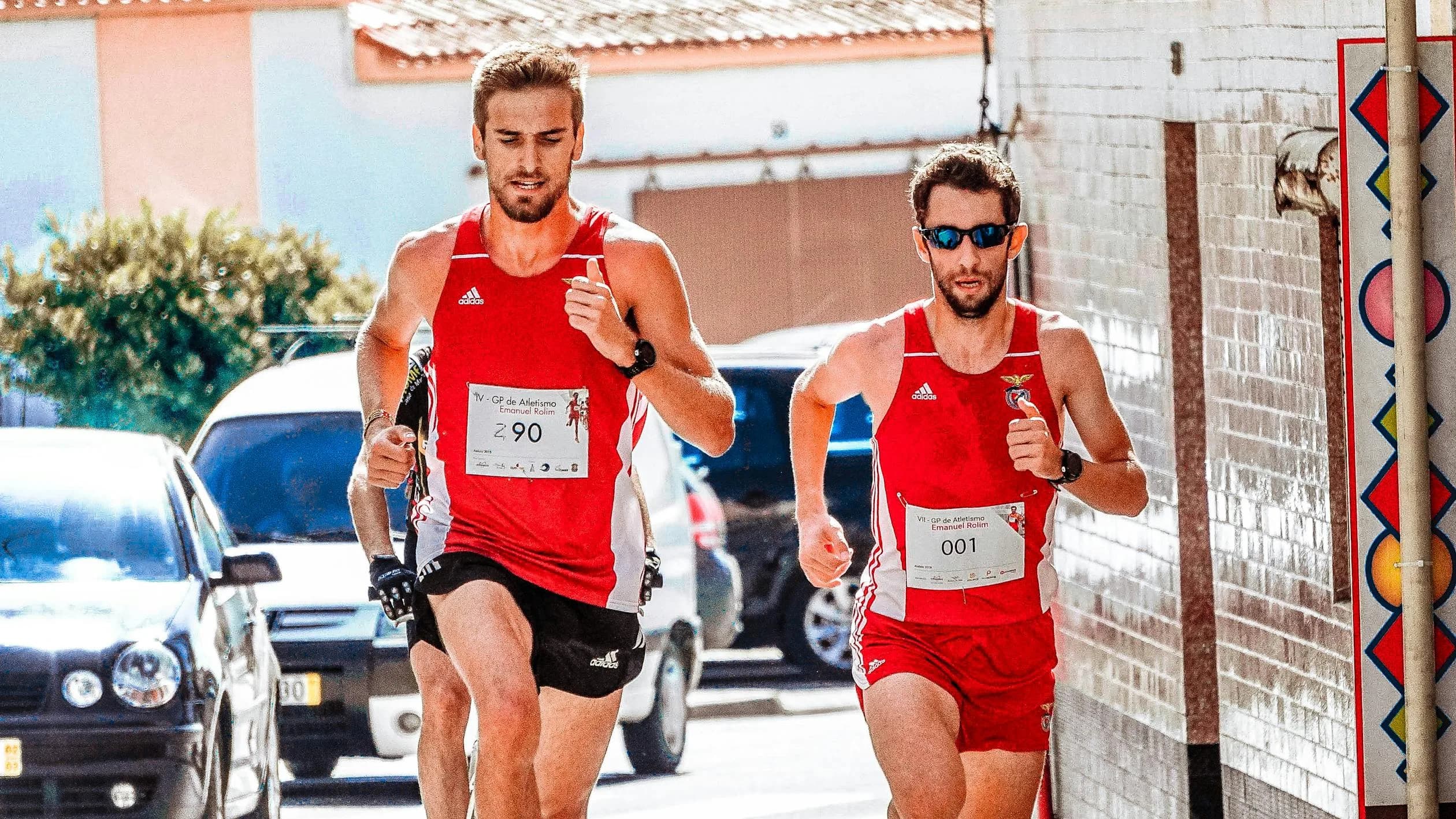
Heat-safety guidance for athletes and workers keeps repeating the same four words, lightweight, light-colored, loose-fitting, breathable (CDC, OSHA), because that lets skin cool and reflects the sun rather than soaking it up. For a runner, a looser singlet often feels cooler than a tight shirt in full sun, compression is fine if the fabric is thin and you are chasing chafe prevention, and the layer you pack "just in case" usually backfires the moment you sweat.
Sun and color
Heat index and air temperature are read in the shade, so in full sun the real load is higher and dark clothing makes it worse (OSHA). On a high-sun day: light colors, a breathable hat or a visor if caps cook your head, sunglasses for the glare. If your route is exposed, trade some of it for shade or moving air.
A simple checklist by conditions
| Conditions | Wear | Bring |
|---|---|---|
| Dry heat (dew point ≤ 55°F) | Light singlet, shorts | Water optional under 60 min |
| Sticky (55–65°F) | Fast-dry top, minimal layers | Water, optional electrolytes |
| Very humid (≥ 65°F) | Minimal coverage, light colors | Water, electrolytes if long |
When clothing will not save the run
When the dew point is oppressive and the heat stress is high, wardrobe tweaks hit diminishing returns. On those days the productive move is not a different shirt, it is a different run: go earlier or later, make it shorter, drop the intensity, or go inside.
Why I wired this into the forecast
I stopped guessing at the drawer once RunWeather could do this part for me. It reads the dew point and heat stress so I am dressing for the day the air is actually giving me, points me at the better hours, and prompts what to wear and bring. On the extreme days it pushes the conservative call, because by then the shirt was never the decision that mattered.
Sources and further reading
- Bonnaerens et al. Sports Clothing in the Heat: A Narrative Review (Sports Medicine Open)
- Wang et al. Clothing Evaporative Cooling Efficiency and Sportswear (Journal of the Textile Institute)
- CDC: Heat Illness Prevention
- OSHA: Heat Stress and Heat Index Limitations
- NOAA NESDIS: Humidity, Dew Point, and Comfort
Related reading
- Hydration and Sodium for Hot Runs
- Best Time of Day to Run in Summer
- Treadmill vs Outdoor Running: A Decision Framework
RunWeather is available now on the App Store and Google Play.