Why Dew Point Matters More Than Temperature for Runners
Most runners check temperature before heading out. But dew point is the hidden metric that actually determines how hard your run will feel.

You check the weather app. 72°F (22°C). Seems fine for a run. But 20 minutes in, you're drenched, your heart rate is spiking, and every mile (1.6 km) feels like two.
What happened? Dew point happened.
The Problem with Temperature (and Humidity %)
Temperature tells you how hot the air is. But it doesn't tell you how efficiently your body can cool itself through sweating—which is the primary cooling mechanism during exercise.
When you run, your body generates heat. A lot of it. Your core temperature rises, and you sweat. That sweat evaporates, pulling heat away from your skin. This is how you stay cool.
But here's the catch: evaporation only works when the air can absorb more moisture.
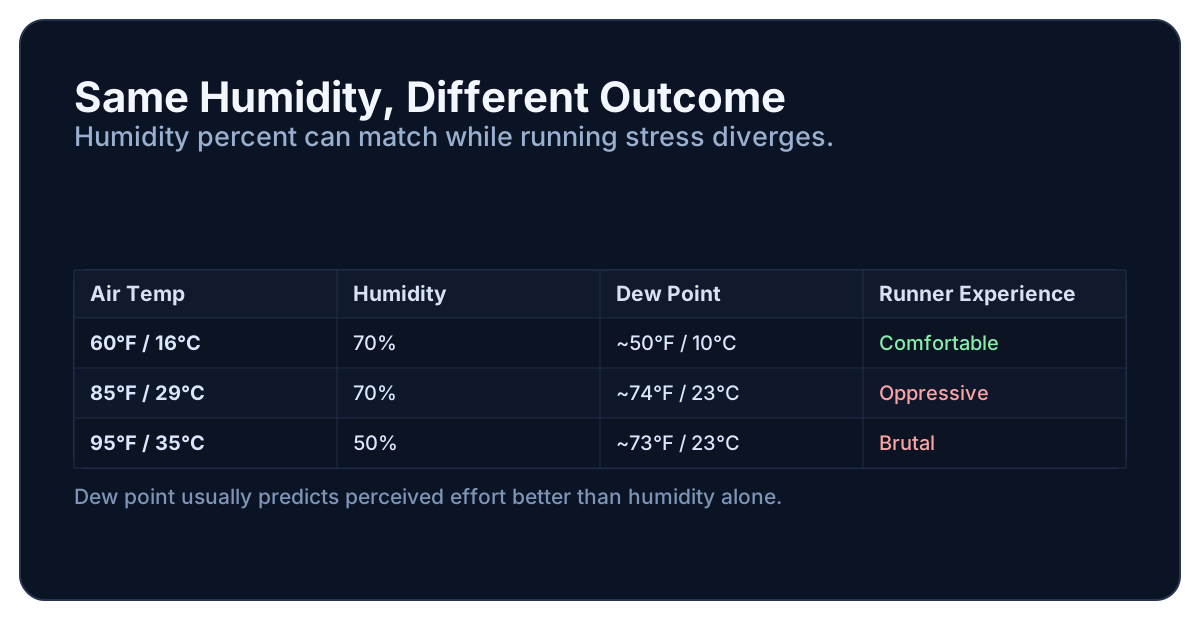
Relative humidity doesn't give you that clarity. It changes with temperature and can feel "low" even when the air is actually loaded with moisture. Dew point is a more direct, absolute measure of how much water vapor is in the air, so it tracks how "sticky" it will feel far better than RH%. It’s the temperature at which air becomes saturated and condensation begins.
In other words: dew point tells you how much room the air still has for your sweat to evaporate.
Enter Dew Point
Dew point measures how much moisture is already in the air. A higher dew point means the air is more saturated with water vapor, leaving less room for your sweat to evaporate.
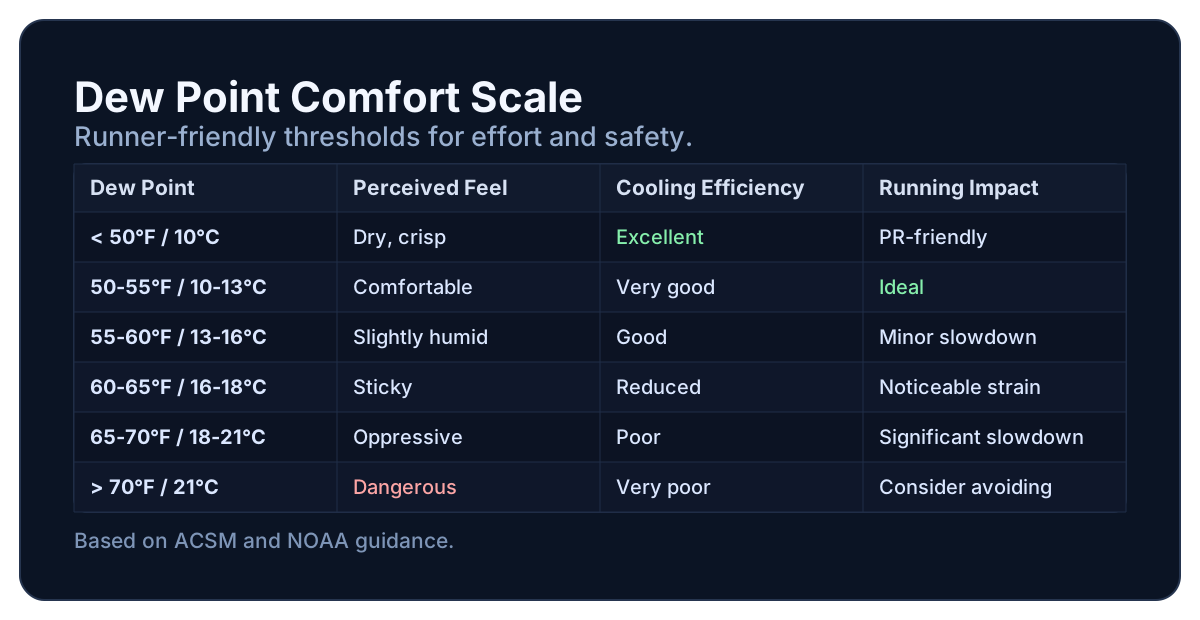
A Runner’s Dew Point Cheat Sheet
Here’s a simple, runner-friendly guide based on how most people report it feels outside:
Why This Matters for Your Training
Two days with the same 75°F (24°C) temperature can feel completely different:
| Scenario | Conditions | What happens |
|---|---|---|
| Day 1 | 75°F / 24°C Temp 45°F / 7°C Dew Point | Sweat evaporates instantly. You feel dry and cool. |
| Day 2 | 75°F / 24°C Temp 70°F / 21°C Dew Point | Sweat drips without cooling. Heart rate spikes. Feels like "soup." |
Your Strava pace will reflect this. But unless you track dew point, you might think you're getting slower when really it's just the conditions.
How to Adjust on High Dew Point Days
Use dew point to decide how to run, not whether you’re fit:
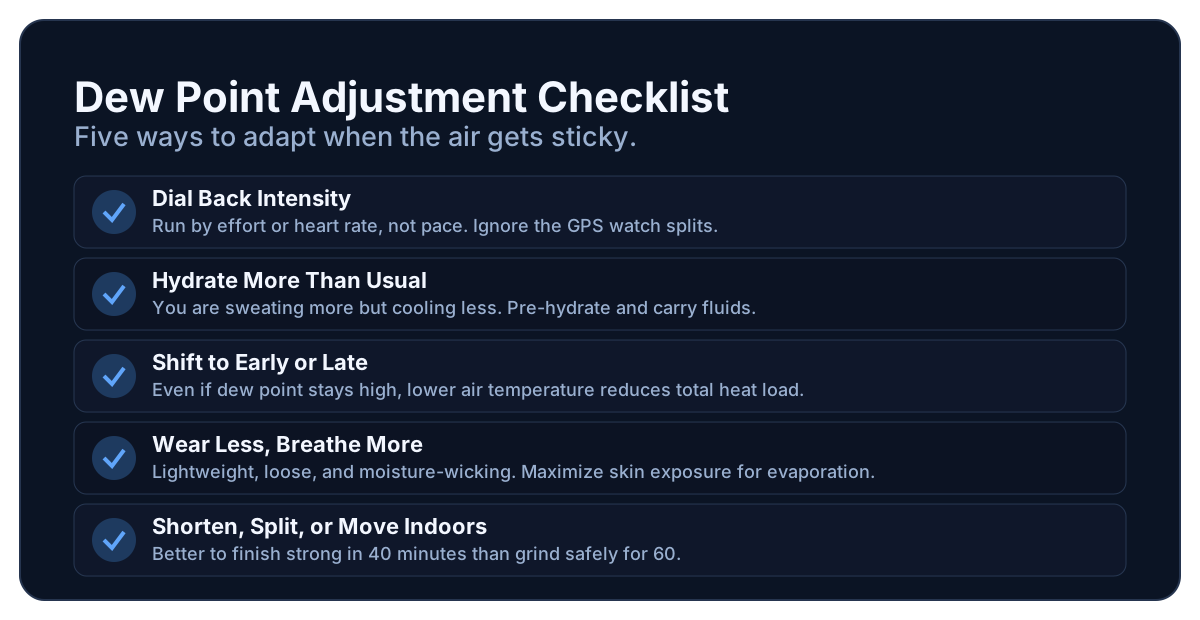
- Dial back intensity. Run by effort or heart rate instead of pace.
- Hydrate more than usual. You’re likely sweating more and cooling less.
- Run early or late. Even if dew point stays high, lower temps reduce heat load.
- Wear less, breathe more. Lightweight, breathable layers matter.
- Shorten or split the run. Better to finish strong than grind.
How RunWeather Helps
RunWeather analyzes your past runs alongside historical weather data, including dew point. We show you:
- Your personal dew point threshold — the point where your pace starts to suffer
- Why a run felt hard — so you don't blame yourself for weather
- When to run — optimal windows based on your sensitivity
Stop checking just temperature. Start understanding the conditions that actually affect your performance.
Sources
- Fleet Feet: What is dew point and how will it affect your run?
- Bandit Running: Running, weather, math, and why you'll be okay
- Reddit: Dew point is a better measure than humidity
Related reading
- Dew Point for Running: The Weather Metric That Actually Matters
- Dew Point vs Humidity: Why Runners Keep Getting This Wrong
- Best Time of Day to Run in Summer
- How Much Slower Should You Run in Heat and Humidity?
RunWeather is currently in early access. Join the waitlist to get notified when we launch.